1. What has happened?
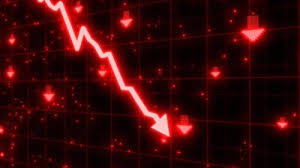
- After hitting recent highs, the global gold price experienced a sharp decline. For instance, spot gold plunged by about 6 % or more in a day as of October 2025 — one of the largest one-day drops in years.
- From an Indian perspective, gold fell below ₹1 lakh per 10 g in some cases, mirroring global pressures.
- The correction came after a strong rally—gold had enjoyed elevated demand and rising prices for some time.
2. Key Reasons Behind The Drop
Here are the major drivers behind the sudden gold price fall:
a) Profit-taking & overextended rally
When a price runs up strongly, many investors book profits. This can trigger a cascade of selling. For gold:
“We are seeing profit booking … as investors take advantage of recent highs.”
Also noted: “the dollar index has shown strength … after elevated valuations at consecutive record highs.”
b) Stronger U.S. Dollar
Gold is priced in U.S. dollars globally. So when the dollar strengthens, gold becomes relatively more expensive in other currencies, reducing demand.
“One major reason … is the rise in the U.S. dollar.”
“A stronger greenback makes dollar-denominated commodities more expensive.”
c) Easing geopolitical/trade tensions & improved risk sentiment
When the world looks less risky, the pull toward safe-haven assets like gold often wanes.
“The main reason behind the fall in gold prices is the improved hopes around trade talks between the U.S. and China.”
Also: “Safe-haven demand … recent ease in geopolitical tension … made investors less attracted to safe-haven assets like Gold.”
d) Higher real (and nominal) interest rates & central bank behaviour
When interest rates (or expectations thereof) rise, non-yielding assets like gold can lose appeal.
“Gold generally performs well when interest rates are low. But recent data … showed better-than-expected employment numbers… meaning the Fed might not reduce interest rates soon.”
In other words: a higher opportunity cost of holding gold.
e) Technical/market structure considerations
When gold prices reach extremes, technical and algorithmic factors can accelerate declines. Over-bought conditions, large ETF flows, margin calls all can play a role.
3. Why This Flip From Strong Rally to Decline?
It’s not contradictory that gold both surged and then fell hard. Here’s how the sequence fits:
- Initially, gold rallied because of global uncertainty, inflation worries, central bank buying, and weak dollar/low rate environment.
- As some of the uncertainty eased (trade talk improvements, lesser war risk, etc) and the dollar strengthened and rates expectations shifted, gold’s sweet-spot conditions weakened.
- Combine that with profit-taking after strong gains and the mood shifted from “buy safe-haven gold” to “maybe shift to other assets” or “take money off the table now”.
4. What Could It Mean For Investors?
Short-term implications:
- The decline may trigger more volatility. Gold’s safe-haven status means it tends to move sharply when global cues change.
- It could be a pull-back opportunity for some investors who believe in gold’s long-term role—but risky to assume every dip is a “buy” without context.
- Investors already holding gold might reassess their position: Are they holding for diversification? Hedging? Or chasing recent gains? Their motive matters.
Long-term view:
- The fundamental reasons for owning gold (inflation protection, diversification, safe-haven hedge) still exist—but the timing and scale matter.
- If dollar weakens, inflation resurges, or new geopolitical risks arise, gold could again benefit. Conversely, if rates remain high, global growth improves, or trade tensions fade further, gold might struggle.
- It underscores the importance of viewing gold as part of a broader portfolio, not a standalone “guarantor”.
5. What to Watch Going Forward?
Here are key indicators that could shape gold’s next moves:
- Dollar strength / index movements: If the dollar continues to firm, gold may face pressure.
- Interest-rate expectations: Fed signals, inflation data, real rates—all matter.
- Geopolitical/trade risk trends: Any escalation of tensions can revive safe-haven demand; resolution can do the opposite.
- Gold flows and inventories: Monitoring ETF flows, central bank buying, and mining/supply issues helps.
- Technical levels: Support/resistance zones, over-bought/over-sold metrics, positioning data. For example: “Strong support around $39.50–$40.00/oz … prices may move toward … before further consolidation.”
6. Conclusion
The sudden fall in gold prices doesn’t necessarily signal the end of gold’s investment case—but it does highlight how sensitive gold is to macro shifts, sentiment changes and technical dynamics. For those invested in gold:
- It’s worth reviewing why you hold gold (hedge? speculation? diversification?).
- Consider whether recent actions (profit-taking, rotation to other assets) align with your longer-term goals.
- Stay alert to major shifts: dollar strength, rate expectations, geopolitical shocks.
- Use the decline as a pause point, not necessarily a panic trigger. But also don’t assume “gold always goes up” in any circumstance.
- After hitting recent highs, the global gold price experienced a sharp decline. For instance, spot gold plunged by about 6 % or more in a day as of October 2025 — one of the largest one-day drops in years.
- From an Indian perspective, gold fell below ₹1 lakh per 10 g in some cases, mirroring global pressures.
- The correction came after a strong rally—gold had enjoyed elevated demand and rising prices for some time.
2. Key Reasons Behind The Drop
Here are the major drivers behind the sudden gold price fall:
a) Profit-taking & overextended rally
When a price runs up strongly, many investors book profits. This can trigger a cascade of selling. For gold:
“We are seeing profit booking … as investors take advantage of recent highs.”
Also noted: “the dollar index has shown strength … after elevated valuations at consecutive record highs.”
b) Stronger U.S. Dollar
Gold is priced in U.S. dollars globally. So when the dollar strengthens, gold becomes relatively more expensive in other currencies, reducing demand.
“One major reason … is the rise in the U.S. dollar.”
“A stronger greenback makes dollar-denominated commodities more expensive.”
c) Easing geopolitical/trade tensions & improved risk sentiment
When the world looks less risky, the pull toward safe-haven assets like gold often wanes.
“The main reason behind the fall in gold prices is the improved hopes around trade talks between the U.S. and China.”
Also: “Safe-haven demand … recent ease in geopolitical tension … made investors less attracted to safe-haven assets like Gold.”
d) Higher real (and nominal) interest rates & central bank behaviour
When interest rates (or expectations thereof) rise, non-yielding assets like gold can lose appeal.
“Gold generally performs well when interest rates are low. But recent data … showed better-than-expected employment numbers… meaning the Fed might not reduce interest rates soon.”
In other words: a higher opportunity cost of holding gold.
e) Technical/market structure considerations
When gold prices reach extremes, technical and algorithmic factors can accelerate declines. Over-bought conditions, large ETF flows, margin calls all can play a role.
3. Why This Flip From Strong Rally to Decline?
It’s not contradictory that gold both surged and then fell hard. Here’s how the sequence fits:
- Initially, gold rallied because of global uncertainty, inflation worries, central bank buying, and weak dollar/low rate environment.
- As some of the uncertainty eased (trade talk improvements, lesser war risk, etc) and the dollar strengthened and rates expectations shifted, gold’s sweet-spot conditions weakened.
- Combine that with profit-taking after strong gains and the mood shifted from “buy safe-haven gold” to “maybe shift to other assets” or “take money off the table now”.
4. What Could It Mean For Investors?
Short-term implications:
- The decline may trigger more volatility. Gold’s safe-haven status means it tends to move sharply when global cues change.
- It could be a pull-back opportunity for some investors who believe in gold’s long-term role—but risky to assume every dip is a “buy” without context.
- Investors already holding gold might reassess their position: Are they holding for diversification? Hedging? Or chasing recent gains? Their motive matters.
Long-term view:
- The fundamental reasons for owning gold (inflation protection, diversification, safe-haven hedge) still exist—but the timing and scale matter.
- If dollar weakens, inflation resurges, or new geopolitical risks arise, gold could again benefit. Conversely, if rates remain high, global growth improves, or trade tensions fade further, gold might struggle.
- It underscores the importance of viewing gold as part of a broader portfolio, not a standalone “guarantor”.
5. What to Watch Going Forward?
Here are key indicators that could shape gold’s next moves:
- Dollar strength / index movements: If the dollar continues to firm, gold may face pressure.
- Interest-rate expectations: Fed signals, inflation data, real rates—all matter.
- Geopolitical/trade risk trends: Any escalation of tensions can revive safe-haven demand; resolution can do the opposite.
- Gold flows and inventories: Monitoring ETF flows, central bank buying, and mining/supply issues helps.
- Technical levels: Support/resistance zones, over-bought/over-sold metrics, positioning data. For example: “Strong support around $39.50–$40.00/oz … prices may move toward … before further consolidation.”
6. Conclusion
The sudden fall in gold prices doesn’t necessarily signal the end of gold’s investment case—but it does highlight how sensitive gold is to macro shifts, sentiment changes and technical dynamics. For those invested in gold:
- It’s worth reviewing why you hold gold (hedge? speculation? diversification?).
- Consider whether recent actions (profit-taking, rotation to other assets) align with your longer-term goals.
- Stay alert to major shifts: dollar strength, rate expectations, geopolitical shocks.
- Use the decline as a pause point, not necessarily a panic trigger. But also don’t assume “gold always goes up” in any circumstance.
About the Author