
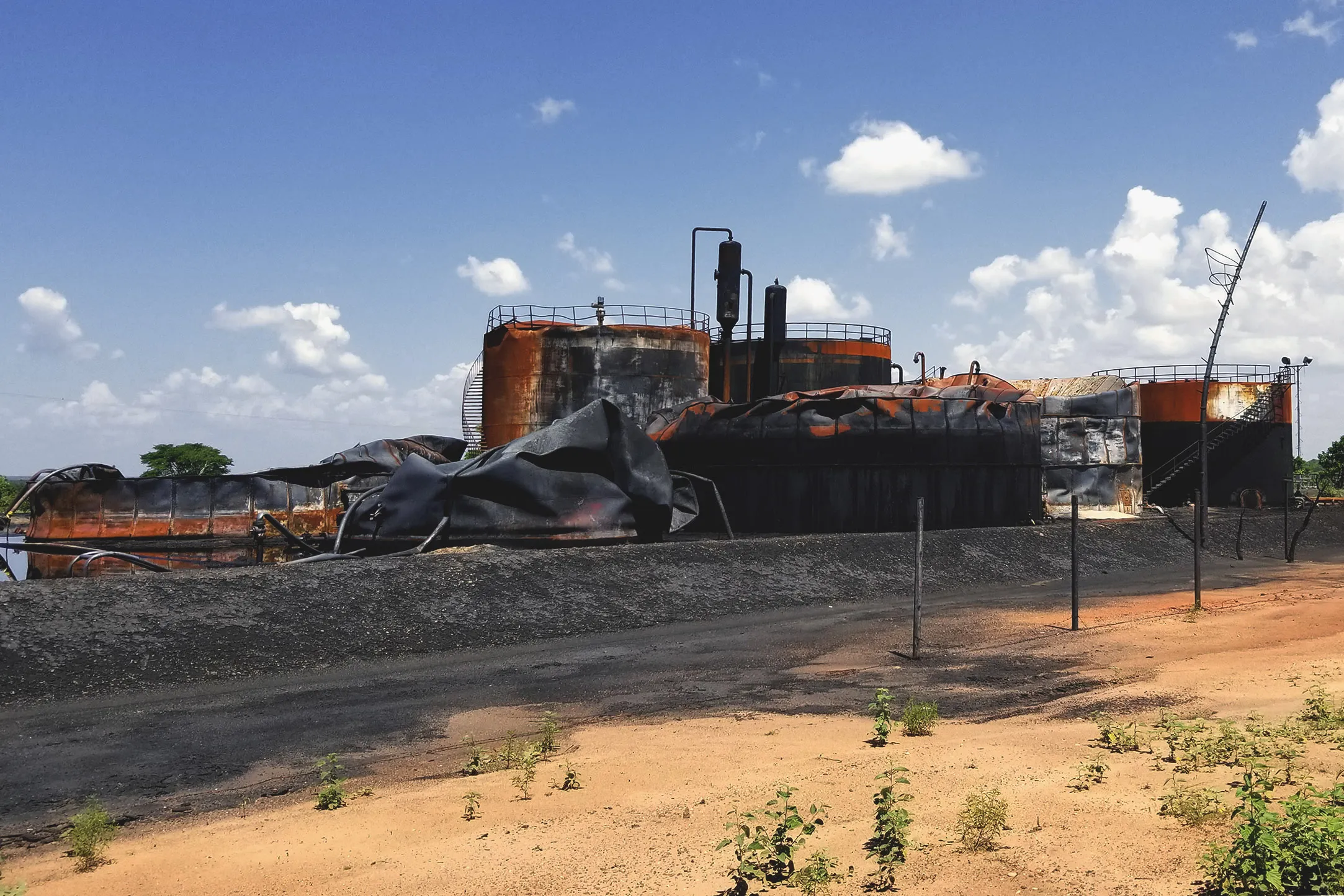
Venezuela is one of the most resource-rich countries in the world. Located in northern South America, it possesses a wide range of natural resources that have shaped its economy and global importance. These resources include petroleum, natural gas, minerals, water resources, fertile land, and forests. Despite economic challenges, Venezuela’s natural wealth remains a major asset for its future development.
Petroleum Resources
Petroleum is Venezuela’s most important natural resource. The country has the largest proven oil reserves in the world, mainly concentrated in the Orinoco Oil Belt. This region contains heavy and extra-heavy crude oil that has enormous economic value. For decades, oil exports have been the backbone of Venezuela’s economy, providing government revenue and employment.
However, oil production has declined due to outdated infrastructure, limited investment, and international sanctions. Even so, Venezuela’s oil reserves continue to make it a key player in global energy markets.
Natural Gas
Venezuela also has large reserves of natural gas, which are often found alongside oil deposits. Natural gas is used for electricity generation, industrial processes, and domestic consumption. With proper development, this resource could help diversify the energy sector and reduce reliance on oil alone.
Mineral Resources
Venezuela is rich in various minerals, many of which are found in the southern regions of the country.
Gold is mined in areas such as El Callao and the Orinoco Mining Arc.
Iron ore is abundant and supports the steel industry.
Bauxite, used to produce aluminum, is another important mineral.
Diamonds, coal, nickel, and phosphate are also found in smaller quantities.
Although these minerals have great potential, mining activities face challenges such as environmental concerns, illegal mining, and lack of regulation.
Water and Hydroelectric Power
Venezuela has many rivers, including the Orinoco River, one of the largest in South America. These water resources allow the country to generate hydroelectric power, which supplies a significant portion of its electricity. The Guri Dam is one of the largest hydroelectric plants in the world and plays a crucial role in national energy production.
Agricultural Resources
The country’s climate and fertile soil support agriculture. Venezuela produces crops such as coffee, cocoa, corn, rice, sugarcane, and tropical fruits. Agriculture provides food, employment, and export opportunities, especially in rural areas. Reviving this sector could improve food security and economic stability.
Forests and Biodiversity
Venezuela has extensive forested areas and is known for its rich biodiversity. Forests provide timber, medicinal plants, and ecological benefits such as climate regulation. The country is also home to national parks and protected areas, which support tourism and conservation efforts.
Conclusion
Venezuela is a country blessed with abundant natural resources, including oil, gas, minerals, water, fertile land, and forests. While economic and political challenges have limited their full use, these resources offer strong potential for recovery and sustainable development. With proper management, investment, and environmental protection, Venezuela’s natural wealth could once again support long-term growth and prosperity.
About the Author