Rivalries aren’t just about winning or losing. They’re about emotion, identity, and the human need for belonging. When two teams or athletes face off repeatedly with history behind them, it becomes more than competition — it becomes a cultural phenomenon.
From the streets where fans chant to the locker rooms where players strategize, legendary rivalries have an undeniable impact on sports culture. They influence how we see the game, how we connect with others, and how athletes perform under pressure.
Let’s dig into the many layers of why classic matchups do more than entertain — they shape the very soul of sports.
Rivalries Ignite Passion — Fueling Fan Identity
When you support a team, you don’t just cheer for a name — you attach yourself to a community, a history, and a shared emotion.
Legendary rivalries:
- Give fans a reason to be fiercely loyal.
- Create an “us vs. them” mentality that strengthens group identity.
- Inspire traditions like chants, rituals, and even rival fan zones.
This collective passion transforms casual viewers into lifelong devotees. It’s why matchups like Liverpool vs. Manchester United or Packers vs. Bears become annual cultural events, not just games.
Psychology of Rivalries: Pressure, Motivation, and Mind Games
Athletes feel rivalries too — sometimes more intensely than fans.
- Rivalries heighten stress and anxiety, but can also sharpen focus and performance.
- Players often prepare differently, knowing the stakes are higher.
- Mind games, trash talk, and psychological tactics become key weapons.
For example, the Serena Williams vs. Venus Williams rivalry wasn’t just physical — it was psychological, adding a layer of complexity to their matches that captivated millions.
Rivalries Reflect Society: Culture, Politics, and Identity
Many classic rivalries carry deeper meanings tied to culture, history, or politics.
- El Clásico isn’t just Real Madrid vs. Barcelona — it’s a clash of Spanish identity.
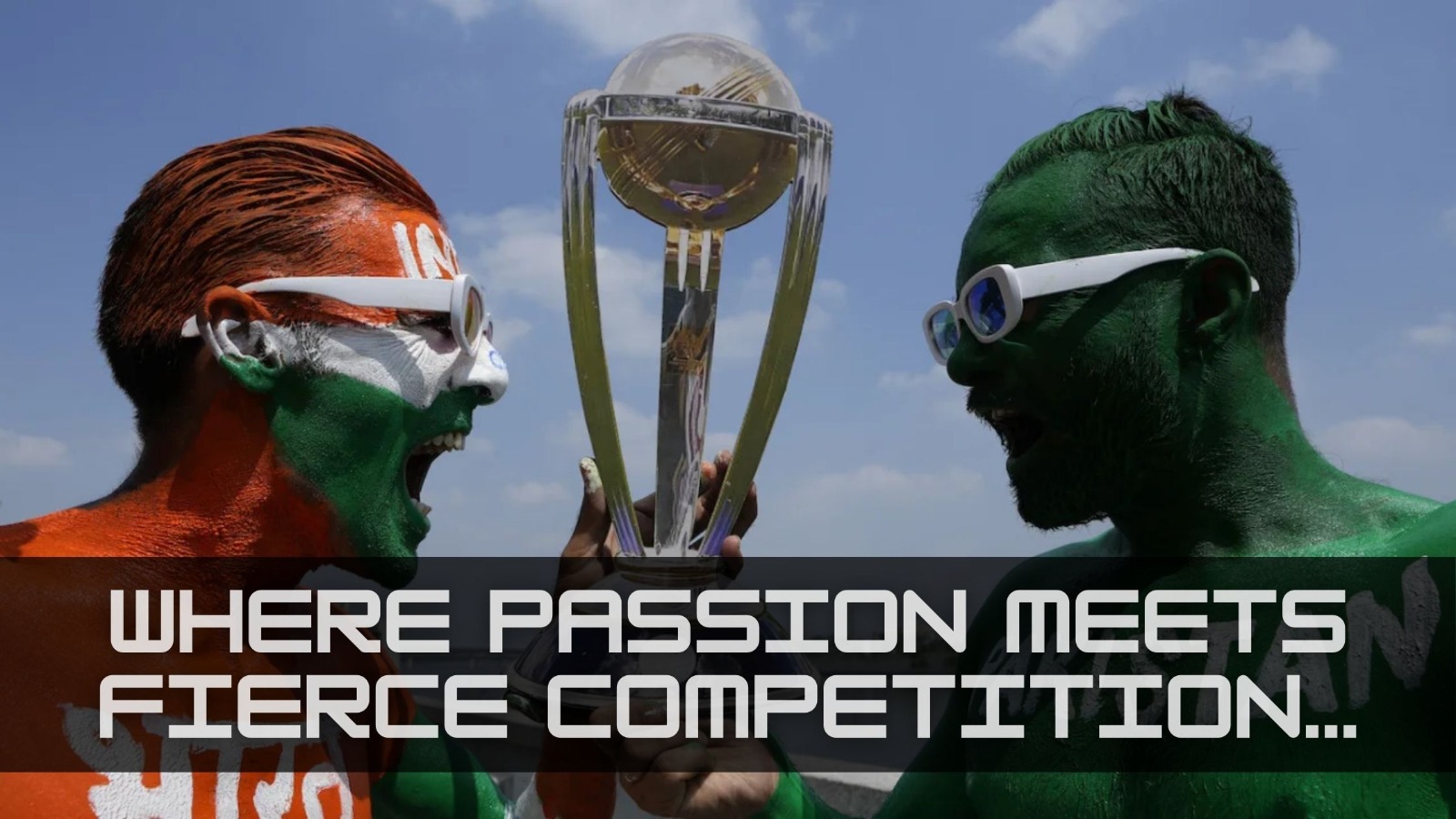
- The India-Pakistan cricket rivalry carries echoes of a divided subcontinent.
- In basketball, Celtics vs. Lakers has East Coast grit battling West Coast swagger.
These rivalries become symbols, arenas where social and political narratives play out, making sport a lens through which we view the world.
Rivalries Elevate the Game — Pushing Athletes to New Heights
The best athletes bring their A-game against rivals. It’s as if the rivalry unlocks something greater.
- Legendary performances become part of rivalry lore.
- Records are often broken in these high-pressure games.
- Rivalries drive innovation in strategy, training, and preparation.
Consider the way Magic Johnson and Larry Bird’s rivalry propelled the NBA into a new era of popularity and excellence.
Rivalries Build Traditions and Memories
Rivalries create stories passed down from generation to generation:
- Memorable plays (“The Shot,” “The Hand of God,” “The Drive”).
- Epic games that define seasons and careers.
- Rituals that fans and players hold sacred.
These moments become part of a collective memory, deepening the emotional connection to the sport.
Rivalries Evolve — Old Meets New
While some rivalries span decades, new ones constantly emerge to keep sports dynamic.
- Fans debate: Are modern rivalries like LeBron vs. Curry or Messi vs. Ronaldo as intense as the classics?
- Technology and media amplify rivalry narratives like never before.
- The global reach of sports means rivalries now connect fans worldwide.
The evolution of rivalries ensures sports culture is always alive, always growing.
Final Thoughts: Rivalries Are the Soul of Sports Culture
Legendary rivalries shape sports in countless ways:
- They fuel passion and define fandom.
- They reflect deeper societal narratives.
- They push athletes to greatness.
- They create unforgettable memories.
In short, rivalries turn games into legends — and legends into culture.
Next time you watch a classic matchup, remember: you’re not just witnessing a game. You’re experiencing a piece of sports history, woven from the passion, drama, and identity that only a true rivalry can create.
About the Author