There’s a sound that echoes through fields in Indian villages—”Kabaddi, Kabaddi, Kabaddi…” It’s a chant, a challenge, a rhythm of competition. For centuries, Kabaddi has been a sport of strength, strategy, and stamina. But today, it’s something even more: a growing global phenomenon.
Let’s step into the world of Kabaddi—an ancient sport reborn with modern flair.
The Soul of the Soil
Long before television cameras and indoor arenas, Kabaddi lived in the heart of rural India. Children played it in open fields. Farmers competed after harvest festivals. It was more than a sport—it was a community ritual.
With no equipment and minimal rules, Kabaddi thrived on raw skill and teamwork. All it needed was courage, quick thinking, and the ability to hold your breath—literally.
It’s said that Kabaddi dates back to 4000 years, and some even believe it was played by warriors during times of peace to sharpen their reflexes.
Kabaddi’s Big Break: From Local to League
For many years, Kabaddi remained mostly regional, popular in India, Bangladesh, Nepal, and parts of Iran. But things changed dramatically with the birth of the Pro Kabaddi League (PKL) in 2014.
Suddenly, Kabaddi was on prime-time television. It had sponsors, commentators, celebrity owners, and a nationwide fanbase. Players became stars. Kids started dreaming of becoming raiders instead of cricketers.
The PKL’s success showed something incredible: a traditional, grassroots game could become mainstream, without losing its soul.
The Art of Kabaddi
What makes Kabaddi so exciting to watch—and so difficult to master?
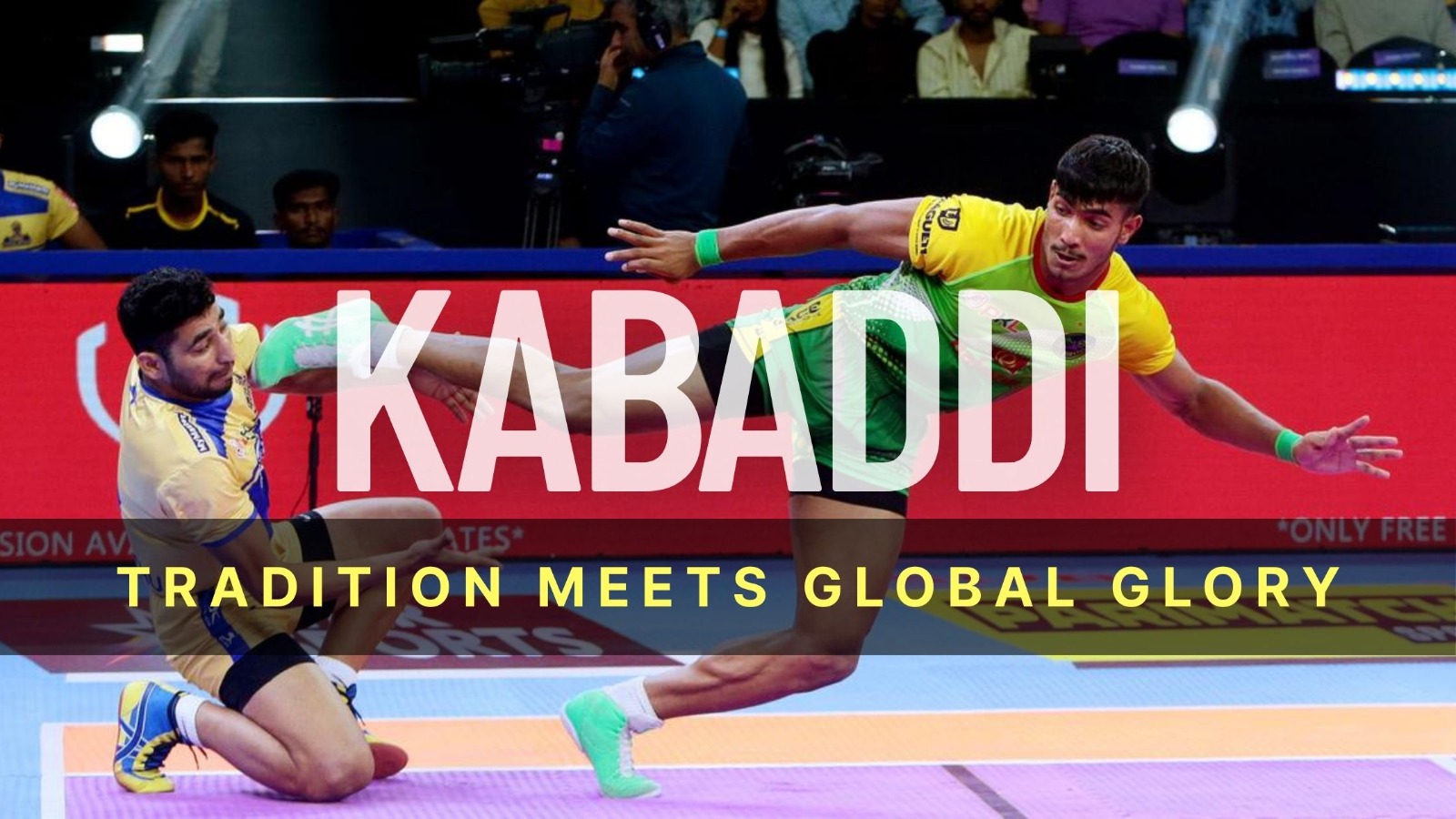
- The Raider: One player takes the risk, enters enemy territory, and tries to tag defenders before racing back safely. All while chanting “Kabaddi” without pausing for breath.
- The Defenders: Seven players ready to pounce, anticipate, and tackle. One mistake, and the raider escapes. One perfect move, and they pin him down.
Each raid is like a short story—full of suspense, split-second decisions, and surprise endings.
Going Global: Kabaddi Around the World
Kabaddi is no longer just India’s pride. It’s spreading across the globe:
- Iran, South Korea, and Kenya have produced elite players.
- The Kabaddi World Cup has featured teams from England, USA, Canada, and Poland.
- The Asian Games regularly feature Kabaddi, where nations battle for continental supremacy.
With global academies, international tournaments, and digital broadcasts, Kabaddi is growing rapidly outside South Asia. And fans are loving it.
Women in Kabaddi: The Next Frontier
While the men’s game has received more spotlight, women’s Kabaddi is catching up fast. National teams, state-level competitions, and now dedicated women’s leagues are giving female athletes a platform to shine.
Names like Ritu Negi, Payel Chowdhury, and Ramita Desai are inspiring the next generation of girls to step onto the mat with confidence and strength.
What Lies Ahead?
The future of Kabaddi looks brighter than ever:
- Olympic Aspirations: With growing international participation, Kabaddi is aiming for a spot in the Olympics.
- Tech + Kabaddi: Video reviews, analytics, and fitness science are transforming how players train and perform.
- Grassroots Growth: Schools and colleges across India are investing in Kabaddi coaching and infrastructure.
- Digital Expansion: Streaming platforms are making Kabaddi accessible to fans globally, even in countries where it was once unknown.
Why Kabaddi Still Matters
In a world of high-tech sports, Kabaddi remains deeply human.
It’s about breath, balance, and bravery. It reminds us of where we come from—fields, friendships, and fearless play. And now, it shows us where we can go, as players from different countries, cultures, and communities come together on the same mat.
Kabaddi isn’t just surviving—it’s thriving.
Final Thoughts: Time to Cheer for Kabaddi
If you’ve never watched a Kabaddi match, now’s the time. Experience the rush of a last-second raid, the strength of a perfect tackle, the roar of a comeback victory.
Whether you’re in a stadium, on your phone, or in your village field—Kabaddi is calling.
And it’s calling the world.
About the Author