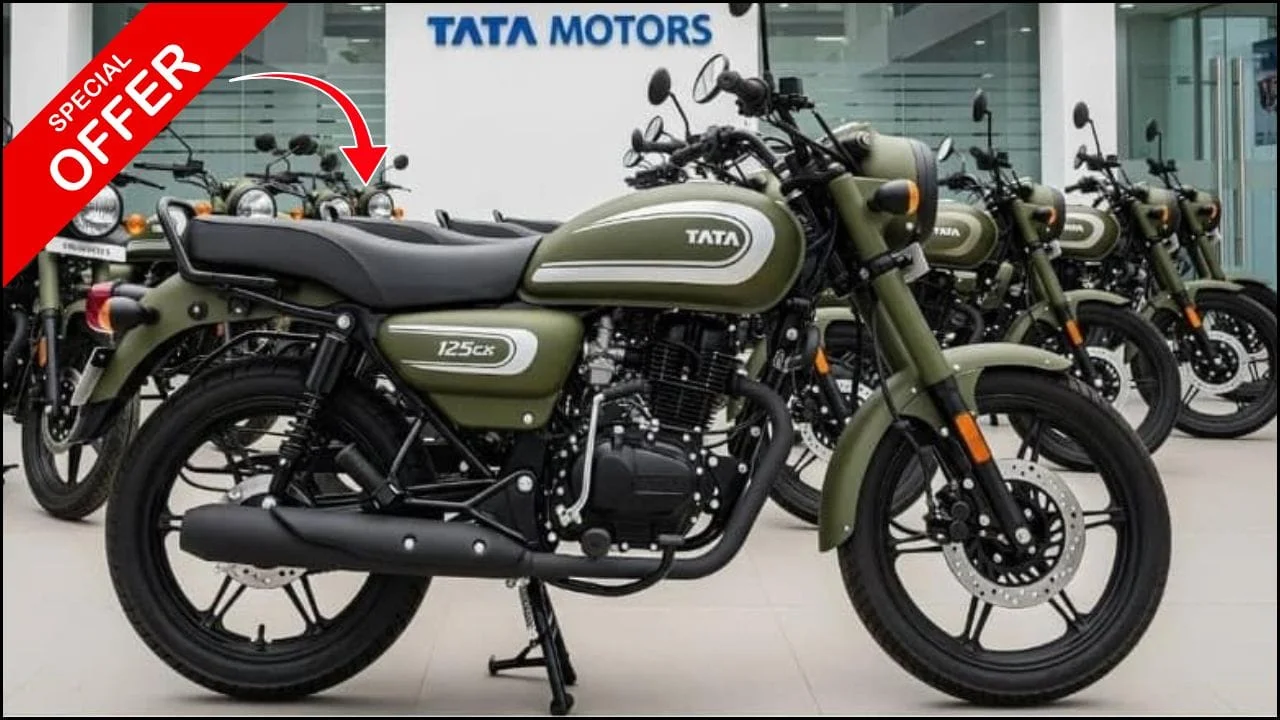
In an automotive landscape evolving rapidly, entering the two-wheeler segment in India presents both compelling opportunities and significant challenges. This blog provides a structured overview of why the two-wheeler market is attracting attention, what key drivers are pushing its growth, the hurdles any new entrant must navigate—and importantly, a roadmap of strategic considerations for a company looking to make a strong entry.
1. Why the Two-Wheeler Segment Is Attractive
Huge Market Size & Growth Potential
- The Indian two-wheeler market reached about 24.9 million units in 2024.
- According to consultancy Kearney, the CAGR until 2030 is estimated at ~6-8%.
- The segment contributes roughly 15% of India’s automotive industry output.
- The market share of two-wheelers in Indian auto volumes is around 70–75% by units.
Structural Demand Drivers
- Affordability & accessibility: Two-wheelers offer lower acquisition cost, lower maintenance, easier navigation/parking especially in congested or rural roads.
- Large untapped household penetration: Ownership per household still relatively low compared to peer economies, so runway for growth remains.
- Urban & semi-urban mobility needs: In cities, scooters and commuter bikes continue to be preferred modes due to traffic, last-mile needs, parking constraints.
- Rural & Tier-2/3 growth: Much of demand is from non-metropolitan areas, offering volume potential beyond the obvious urban markets.
Emerging Trends that Open Opportunity
- Electrification: Electric two-wheelers (E2W) are gaining traction. For instance, electric models contributed over 6% of wholesales in FY25.
- Premiumisation: While entry levels still dominate volume, there’s growing demand for higher-engine-capacity bikes (125 cc+), more features, better design.
- Tech & connectivity: Smart dashboards, integrated apps, connected features are becoming differentiators.
2. Challenges & Risks to Be Aware Of
Intense Competition
- The industry is dominated by strong incumbents with scale, brand recognition, extensive dealer/service networks.
- Price-sensitive market means margin pressure, especially at lower end.
- Regulatory compliance adds cost burdens – e.g., safety norms like ABS/ON-board diagnostics, emission norms for ICE.
Entry-Level Plateau & Segmentation Shift
- The <125 cc commuter segment has seen slower growth (and in some cases decline) due to rising costs, regulatory burden.
- Replacement demand (rather than first-time ownership) is a stronger driver now, which changes the nature of growth.
Cost & Supply Constraints
- Commodity and raw material costs, especially for new tech (batteries, electronics) in EVs.
- Supply chain disruptions (chips, rare earth magnets for EV motors) can hamper.
Infrastructure & Consumer Behaviour (for EVs)
- Charging network, battery lifecycle, consumer range anxiety all remain concerns for EV two-wheelers.
- Even in two-wheelers, EV segment is still small in share (though growing).
Geographic & Distribution Complexity
- Rural and Tier-2/3 markets behave differently (price sensitivity, after-sales access, brand loyalty) than metros.
- Establishing dealer/service reach and building trust is non-trivial.
3. Strategic Entry Considerations
If a business is planning to enter the two-wheeler segment (India or similar markets), here are key strategic cornerstones.
a) Define Your Target Positioning & Value Proposition
- Which sub-segment? Entry commuter bikes (<125 cc), scooters, premium bikes (125 cc+), electric two-wheelers?
- What differentiator? Is it price, design, technology (connectivity / smart features), brand image, sustainability (EV)?
- Urban vs rural focus? If aiming rural, focus on robustness, cost, serviceability; if urban EV/scooter, focus on features, ride-experience, network.
b) Product / Technology Strategy
- For ICE models: ensure compliance with regulatory norms (emission, safety) while keeping cost competitive.
- For EV: battery sourcing, lifecycle, charging network tie-ups, cost of ownership comparison versus ICE.
- Modular platform: to reduce cost/complexity across variants.
- Feature sets: Bluetooth/connected dashboards, smartphone integration, digital marketing/after-sales can add value.
c) Distribution & Service Network
- Establish a strong dealer + service network, especially if targeting non-metropolitan markets.
- After-sales and spare parts availability are critical for trust and brand building.
- Consider alternate ownership/service models (leasing, subscription) especially in EV space.
d) Pricing & Financing Strategy
- Two-wheeler buyers are highly price sensitive; offering finance/leasing options enhances affordability.
- Consider local manufacturing / sourcing to control cost.
- For EVs, highlight total cost of ownership benefits (fuel savings, government subsidies) to offset higher initial price.
e) Marketing & Brand Building
- Build brand trust: in two-wheelers, brand often plays big role (reliability, service).
- Regional marketing (languages, local festivals/weddings) matter because a big volume comes from Tier-2/3 and rural markets.
- For EVs or premium segment: showcase lifestyle, aspirational value, tech appeal.
f) Regulatory & Government Incentives
- Leverage government subsidy schemes (for EVs) or favourable tax regimes.
- Stay ahead of upcoming regulatory changes (e.g., safety norms) to avoid cost shocks.
- Local manufacturing can attract incentives (Make in India, PLI schemes) which help cost.
g) Monitor & Adapt to Trends
- Watch how consumer preferences shift (towards scooters vs motorcycles, EV uptake, premium vs commuter).
- Be agile: regulatory, commodity, and technology shifts can be rapid.
- Explore export markets as secondary growth avenue (India already exports two-wheelers).
4. Entry Roadmap – A Suggested Timeline
| Phase | Activities |
|---|---|
| Phase 1: Market & Feasibility | Market study (volume, segments, geography), competitor mapping, cost benchmarking, regulatory review |
| Phase 2: Product Development & Sourcing | Define product specifications, platform decisions (ICE/EV), supplier contracts, prototype & testing |
| Phase 3: Distribution & Service Setup | Choose dealer locations, onboarding, train service network, spare-parts logistics |
| Phase 4: Launch & Marketing | Pre-launch campaigns (digital, regional), launch events, financing offers, initial production & roll-out |
| Phase 5: Scale-Up and Feedback Loop | Monitor sales, service feedback, cost control, expand to further geographies, introduce variants/upgrades |
5. Conclusion
The two-wheeler segment offers a large and growing opportunity — especially in markets like India where affordability, mobility needs, and structural demand drivers align. However, success isn’t guaranteed: the segment is fiercely competitive, margin-sensitive, and undergoing transformation (EVs, premiumisation, technology).
For an entrant, the keys are: sharp segmentation & positioning, product-market fit (ICE vs EV), cost‐effective manufacturing/supply chain, robust distribution/service network, and agility to adapt to regulatory & technological shifts. With the right strategy, an entrant could carve out a meaningful niche and scale in this segment.
About the Author